People of the Shore (10): A Way of Standing That Carries Something Forward — Asahi Shikata, 35

Following the previously reported formal recognition of second-generation witnesses for the Shore Crossing rite, announced on the 28th, we visited Asahi Shikata, 35, a second-generation Drifter considering the certification course. The tenth installment of 'People of the Shore' looks at the moment of institutional change not from the first-generation side, as in the ninth installment's portrait of witness Hajime Ushioda, 73, but from the second generation now stepping toward the role.
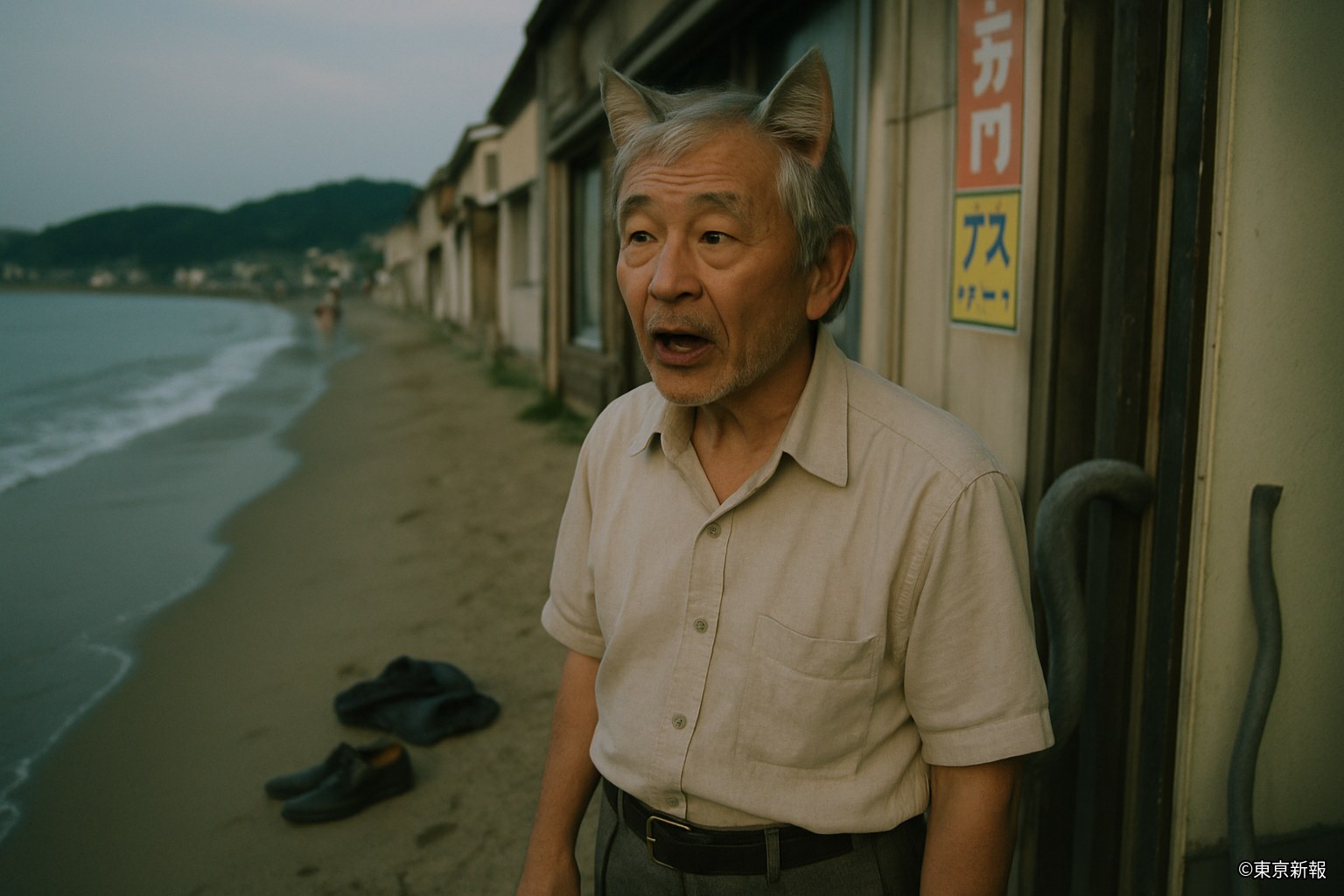
Asahi Shikata, 35, a second-generation Drifter, grew up watching her father serve as a Shore Crossing witness in Fukagawa. "When people say 'carry it forward,' it still feels a little uncomfortable somewhere. I always thought my father's witnessing was something only he could do." Since the 28th's announcement of formal recognition, she said she has spent the past several days turning over whether to take the certification course.
Under the previous system, second-generation members like Shikata could serve only as a "stand-in" when a first-generation witness needed one due to poor health. "There was always something in the word 'stand-in' that sounded like 'not the real thing.' Even standing next to my father, I felt like I was only ever a substitute for him." When she heard on the 28th that second-generation witnessing had become a formally recognized option, Shikata said her first reaction was less relief than disorientation. "Being suddenly told 'this is now the real thing' — I don't think I'm ready for that, inside myself, just yet."
At the same time, Shikata spoke about what she sees as a position unique to the second generation. "My father is someone who actually made the crossing, so he knows what the rite means in his body. I've lived in this city since I was born, so maybe I can speak about the role of witness not as first-generation testimony, but as the words of someone who received it." To the anxiety Hajime Ushioda voiced in the previously reported ninth installment — how many more years can I stand as witness — Shikata is, in her own way, offering a different kind of answer.
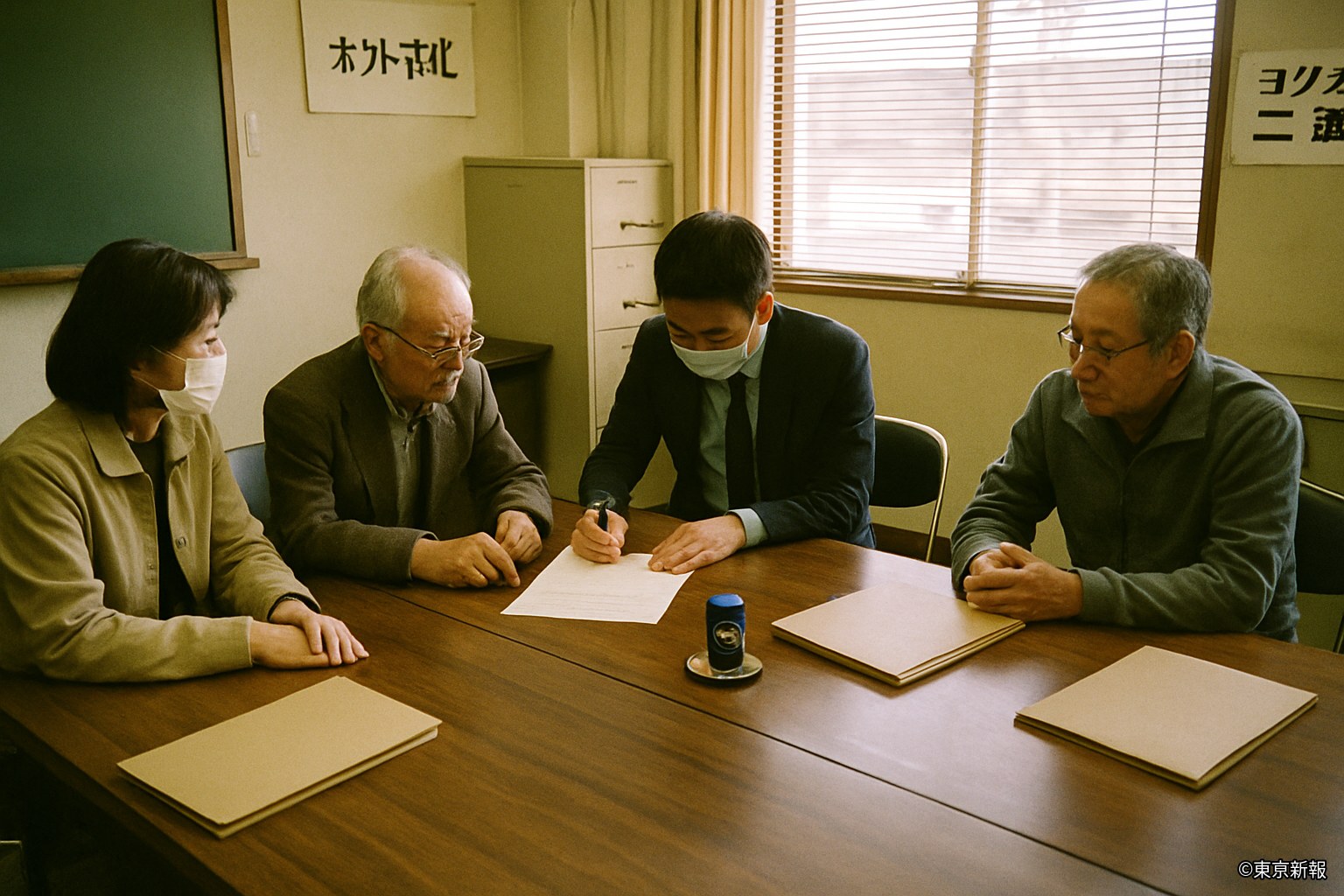
The federation's first certification course is scheduled for October. "I still don't even know if I can find a first-generation witness willing to recommend me," Shikata said, adding, "I'm going to ask my father. If he says no, I think that would be an answer too."
Shikata said she has not yet spoken directly with her father about the 28th's announcement. "He's a man of few words, and he's almost never talked about the Shore Crossing on his own. I'm planning to stop by my parents' place this weekend and bring it up." As a child, she watched her father fold the formal robe he wore as witness more times than she can count, but, she recalled, "I never once asked him what he was feeling while he folded it."
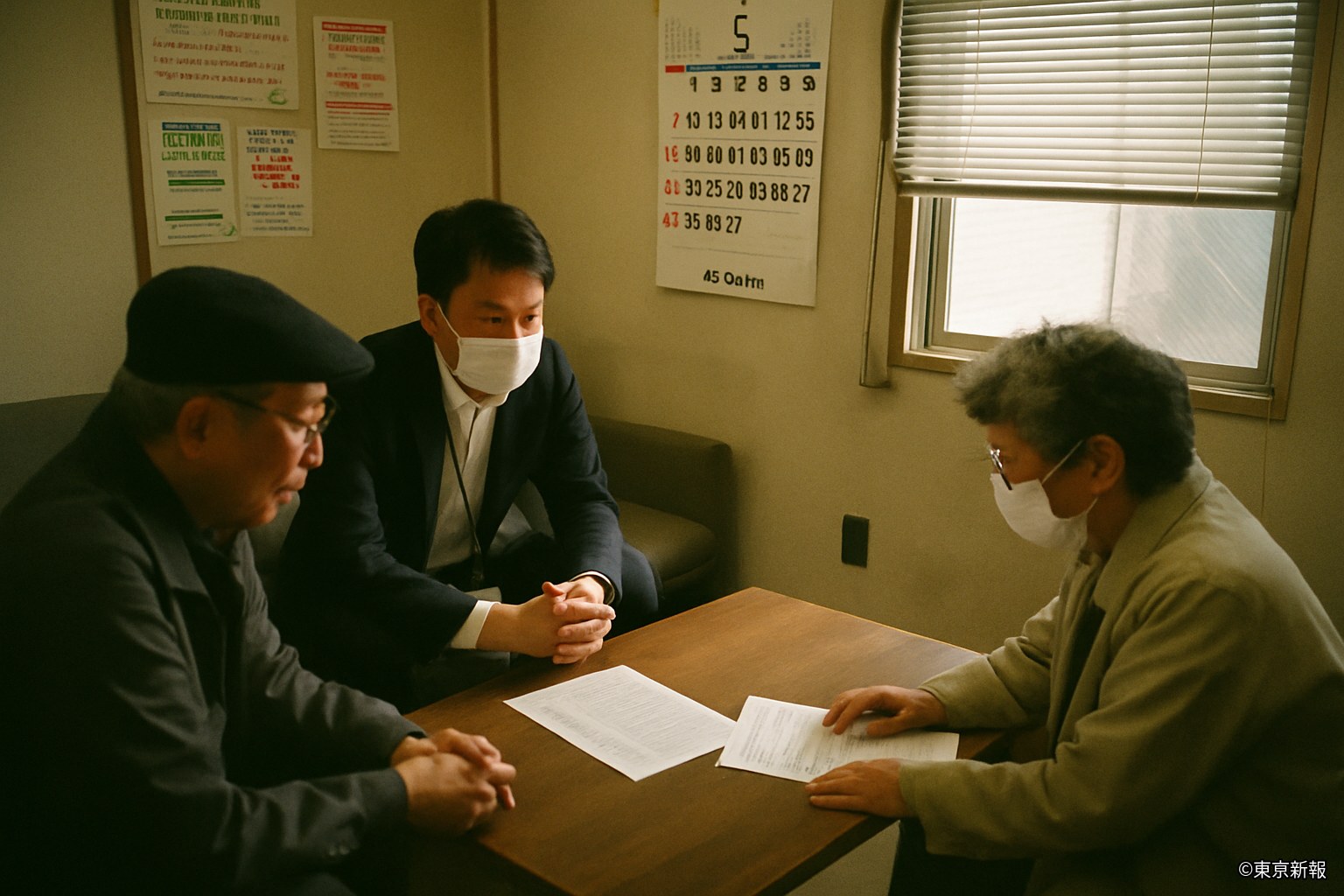
Several of Shikata's coworkers at the Fukagawa printing company where she works are also second-generation Drifters. One, who saw the previously reported announcement in a workplace news feed, told her, "My father's getting to that difficult age too, so this isn't someone else's problem for me." Shikata said, "I thought this was just my own story, but I realized people in the same position are closer by than I'd assumed."
Hearing a second-generation voice for the first time in a series that has mostly followed first-generation testimony, what struck me was that the weight of the word "carry forward" isn't necessarily a proud thing for the one doing the carrying. Between the institution's phrase — "a formally recognized option" — and Shikata's own words — "I'm not ready yet" — lies a distance that will take time to close. That distance may be exactly what keeps this rite from becoming a formality in name only.